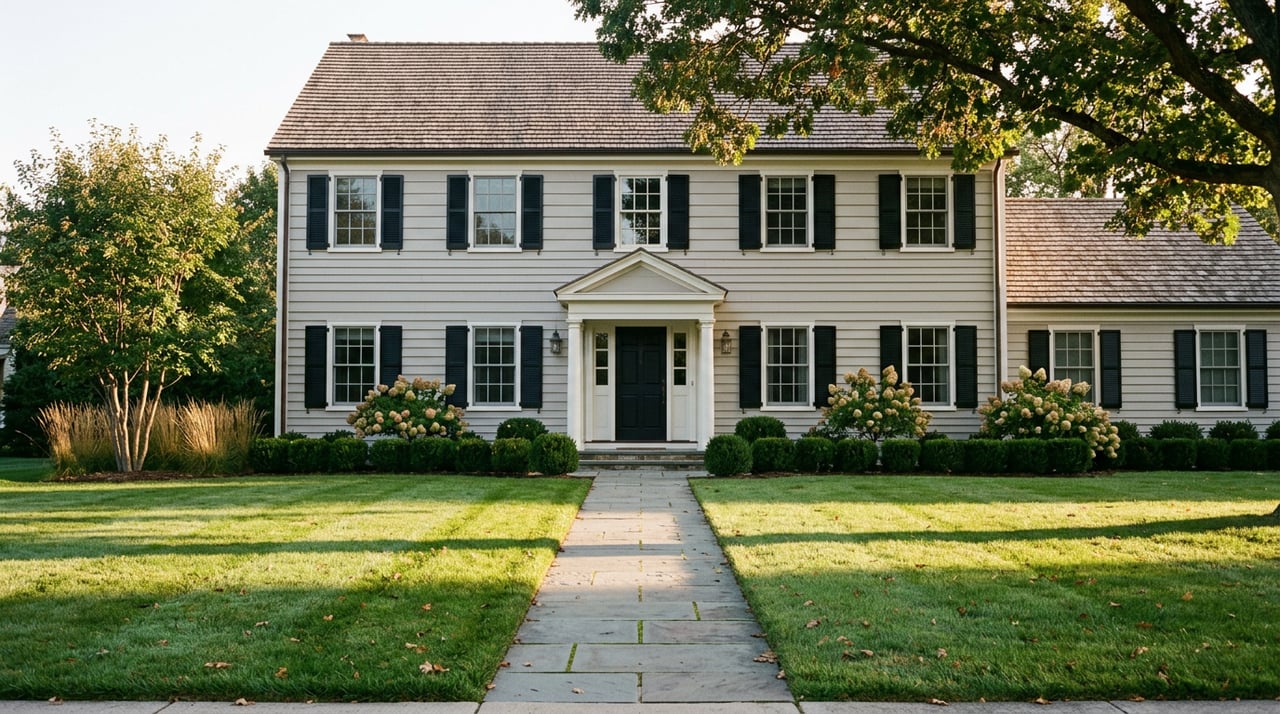
Scarsdale Open-House Signs: What Sellers Can and Can't Do
September 17, 2026
September 17, 2026
Ask an agent in most Westchester towns how to draw a crowd to Sunday's open house, and the answer is simple: put arrow signs at the two or three corners where drivers will need to turn. It works because people still drive past homes they're curious about, and a well-placed sign catches them at the exact moment they're deciding whether to keep going straight or turn in.
In Scarsdale, that plan runs into the village's own code before it runs into a single buyer. The strip of land along nearly every street corner and curb in the village, the exact real estate a directional sign needs to be effective, is off limits. Not just to real estate signs. To almost all of them.
Scarsdale10583.com reports that the village right-of-way runs roughly 13 feet in from the curb on either side of a typical street; the village holds an interest in that land even though it often reads, visually, as part of a homeowner's front yard. Scarsdale's Village Code Chapter 247 defines it broadly, covering:
the surface and space above, on, and below any public highway, avenue, street, lane, alley, boulevard, concourse, driveway, bridge, tunnel, park, parkway, waterway, dock, bulkhead, wharf, pier, public easement, right-of-way or any other public ground or water within or in which the Village now or hereafter holds any property interest.
Since 2022, that strip has been almost entirely sign-free. The code exempts traffic control and government signage, and it carves out a narrow allowance for temporary A-frame signs, but only for businesses in nonresidential zoning districts with a village permit. A homeowner on a residential street selling a single-family house doesn't qualify for that exemption. Neither does the agent representing them.
The current version of the rule exists because of a resident named Robert Berg, and it took four years and two courts to get there.
In January 2018, Scarsdale voters were deciding a $64.8 million school bond referendum. Berg and other supporters put "Vote Yes" signs in the right-of-way in front of their homes. Village police removed them. Berg sued, arguing the village was selectively enforcing its sign law: cracking down on political speech while tolerating a steady stream of commercial signage, from real estate agents to plumbers to alarm companies to high school athletic boosters, sitting well within the same 13-foot strip.
A federal judge agreed there was a problem, though not the one Berg originally argued. In a 2020 ruling, Judge Nelson Román found the underlying code was constitutional on its face, but that the village had violated the First Amendment by treating political signs differently from commercial ones. Berg won a symbolic dollar in damages. The Second Circuit later upheld the core ruling in 2021.
Rather than continue picking and choosing what got enforced, the Board of Trustees rewrote the law. In June 2022, trustees voted unanimously to close the gap: every sign in the right-of-way now faces the same rule, real estate marketing included. A village attorney described the new standard at the time as content neutral, meaning the law can't treat one category of speech more leniently than another. The practical effect for anyone selling a house is that the informal tolerance real estate signage used to enjoy at the curb is gone along with the political exception.
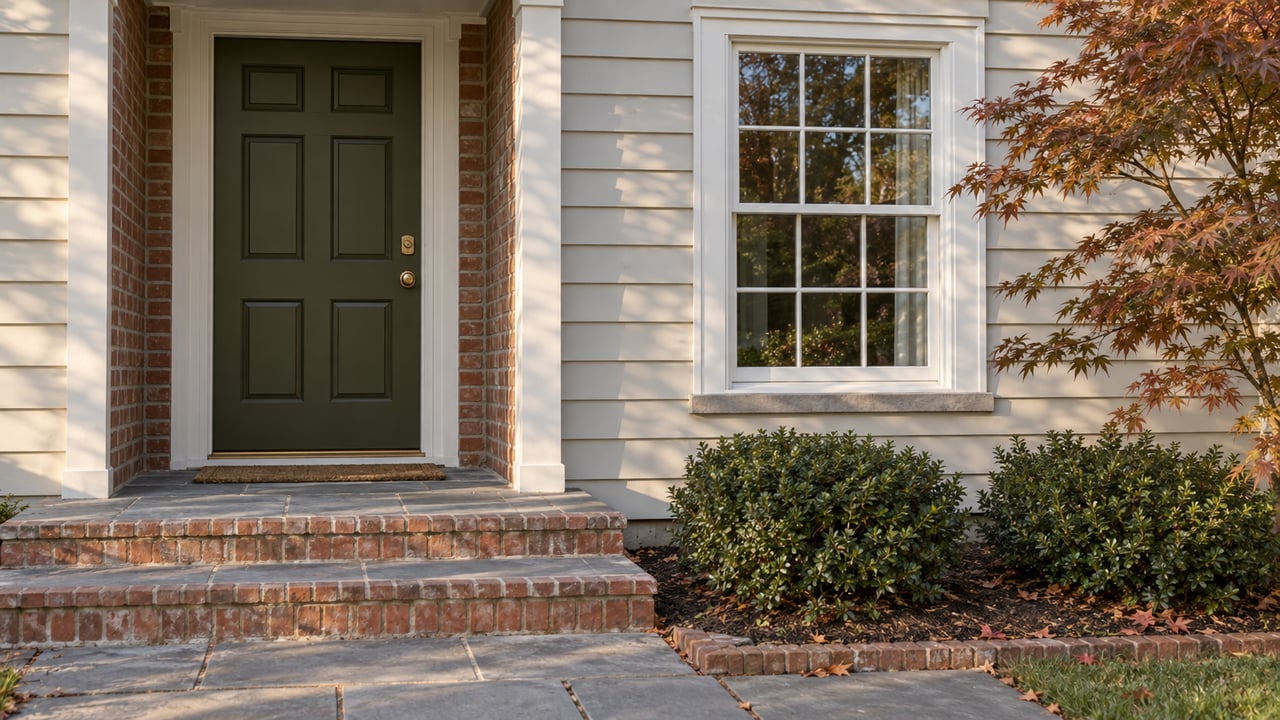
The rule doesn't touch what happens on your own property. A yard sign set back from the curb, on the lawn itself rather than in that 13-foot strip, remains a normal part of listing a home here. What disappears is the layer of signage most sellers assume comes with the process: the directional arrows at the corner two blocks over, the sign at the intersection pointing toward the open house, anything placed on public land to guide a driver who wasn't already looking for your address.
| Sign type | Where it typically goes | Allowed under current code |
|---|---|---|
| For Sale or Open House sign on your own lawn | Private property, set back from curb | Yes |
| Directional arrow at a nearby intersection | Village right-of-way | No |
| A-frame sign at a corner | Village right-of-way | No, except permitted nonresidential uses |
| Sign at your own driveway entrance | Private property | Yes, subject to standard zoning limits |
For a seller who has moved from a town where corner signage is routine, this is the kind of detail that surfaces at the wrong moment: the week of the open house, when a well-meaning agent or a helpful neighbor puts an arrow sign at the corner and it disappears before Saturday.
None of this would matter much in a slow market, where a listing sits for months and a sign can accumulate attention over time. Scarsdale isn't that market right now. The village entered 2026 with the lowest number of single-family homes for sale on record, both locally and across Westchester County as a whole. Over the three months ending in June 2026, the median sale price ran about $2.5 million, up nearly 18 percent from the same period a year earlier, with homes typically going under contract within roughly two to three weeks of listing. Figures vary somewhat by data source and by the exact window measured, but every recent reading points the same direction: tight supply, fast timelines, and buyers who are already watching closely for anything new.
That combination changes what a sign was ever doing in the first place. A directional sign works by catching a driver who wasn't necessarily looking, over the days or weeks a house sits on the market. When a home is drawing multiple offers within about two to three weeks and the corner signage isn't an option regardless, the entire job of catching a buyer's attention has to happen somewhere else, and it has to happen in the first days a listing goes live rather than accumulating gradually. Professional photography, a properly written listing, syndication to the portals buyers actually use, and an agent network that gets the word out before the sign would ever have gone up are no longer a nice upgrade to the marketing plan. They're the only version of that plan the village's own code leaves available.
Early fall, where the market sits as this is written, is typically the secondary window behind the spring school-driven rush, which means a listing going up now is competing for attention in a slightly quieter stretch of the calendar rather than the busiest one. That makes the first digital impression carry even more weight, not less.
Can I still put a sign on my own front lawn? Yes. The rule targets the right-of-way, the village-controlled strip near the curb, not your own property. A sign set back on the lawn itself remains standard practice.
What about a sign just for the day of the open house? The same restriction applies. A right-of-way is a right-of-way whether the sign is up for a season or for four hours on a Sunday.
Does this rule only apply to real estate signs? No. The 2022 rewrite treats all sign types the same, which was the entire point of the change. Political signs, contractor signs, and real estate signs all face the identical prohibition in the right-of-way.
Is there any way to get a sign placed at a corner or intersection? The code allows temporary A-frame signs in nonresidential zoning districts with a village permit. That exemption doesn't extend to a residential listing.
A rule like this rewards sellers who plan the marketing before the sign would have gone up, not after. If you're weighing whether to list this fall, or you want a clearer read on what the current Scarsdale market means for your specific street and price point, The E&F Team can walk through what a listing plan looks like here. Schedule a free consultation and we'll start with the parts of the process that catch most sellers off guard.
This article is general information, not legal, tax or financial advice. Consult a qualified professional about your situation.
Stay up to date on the latest real estate trends.


Whether you’re buying, selling, investing, or simply exploring the market, having a trusted local team matters. The E&F Team provides strategic guidance and market expertise to support you every step of the way. Contact us to learn more about our services, request a home valuation, or gain insight into today’s market.
The E & F Team
Looking to buy, sell or learn more about the market? Reach out today to start a conversation.
Jessica Feuerstein
(301) 257-8624
[email protected]
Elina Edelman
(917) 364-6151
[email protected]