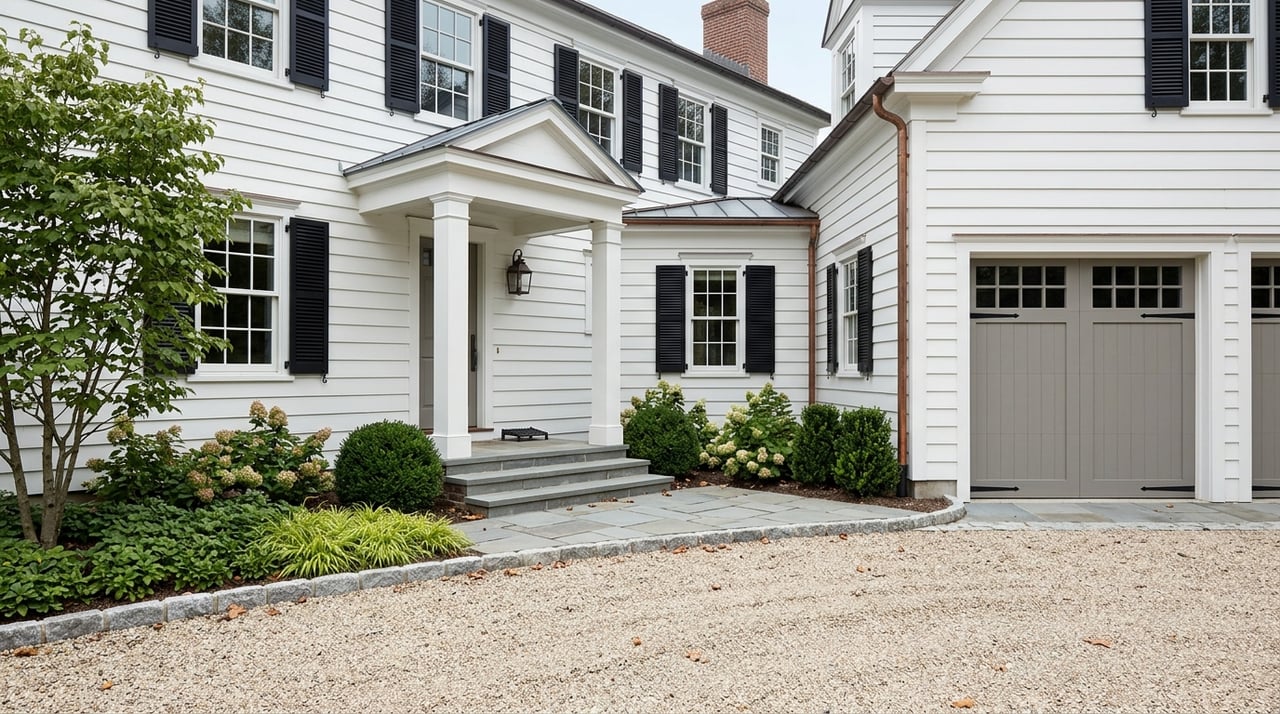
A NYC-To-Chappaqua Relocation Playbook For Busy Buyers
May 14, 2026
May 14, 2026
Thinking about leaving NYC for Chappaqua, but worried you will have to make a major decision on a very limited schedule? You are not alone. For many busy buyers, the challenge is not just finding a house. It is figuring out commute reality, inventory fit, and timing without wasting weekends or creating a lease-gap problem. This playbook will help you focus on the decisions that matter most so you can move with more clarity and less stress. Let’s dive in.
Chappaqua offers a very specific suburban setup that appeals to many city buyers. It is a small, station-centered hamlet with a downtown area that the Town of New Castle describes as being within walking distance of the entire downtown from the train station. That can be a meaningful shift if you want more space without giving up a sense of daily convenience.
The commute is a big part of the story. According to the town’s comprehensive plan, Chappaqua is New Castle’s only train station, and the average train ride into New York City is about 50 minutes. The current MTA Harlem Line timetable also shows multiple weekday departures to Grand Central, including morning options such as 6:50 a.m. and 8:12 a.m.
That said, Chappaqua is not one-size-fits-all. The same planning documents note that commuter lots with more than 1,300 spaces fill close to capacity by early to mid-morning. If your day depends on getting to the station at a certain time, testing that routine matters just as much as liking a home online.
When you are short on time, your search needs structure. Before you tour anything, define the few factors that will actually drive your decision. In Chappaqua, that usually comes down to commute, lot size, and whether you want to be closer to the hamlet core or in a more residential setting.
A useful starting list might include:
This kind of planning saves time because Chappaqua can look more uniform from a distance than it really is. The town name may be the same, but the day-to-day experience can vary meaningfully from one street to the next.
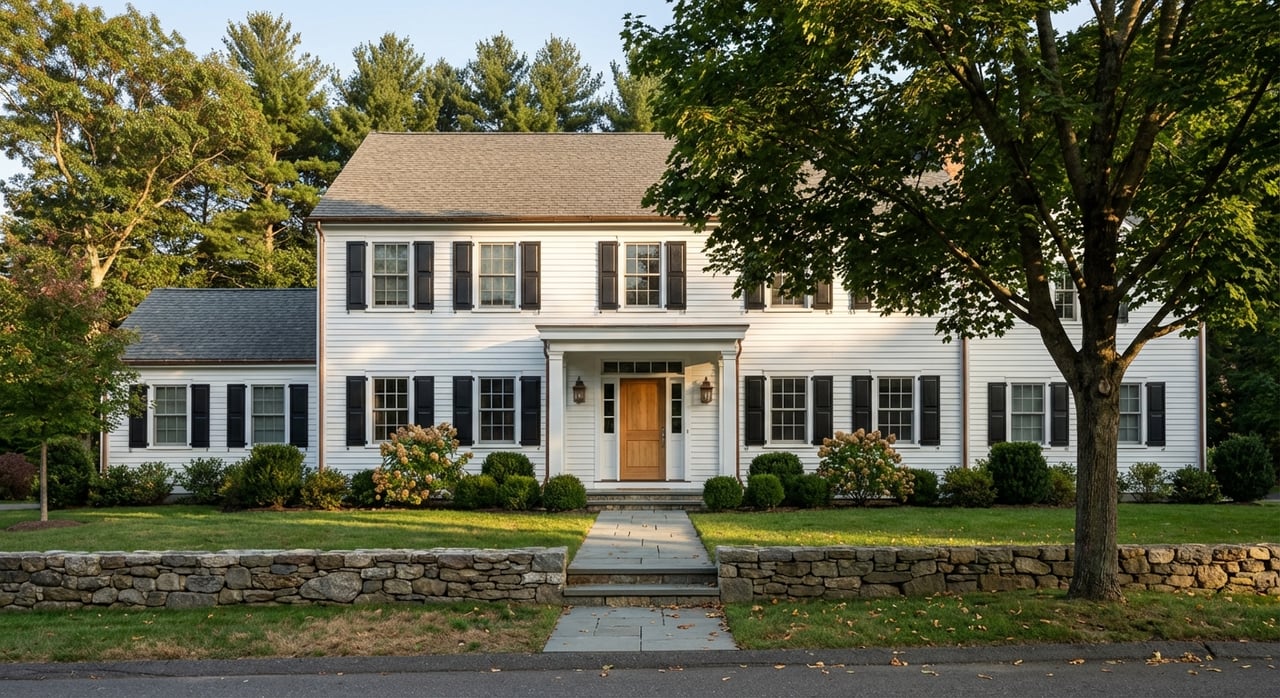
For relocating buyers, one of the biggest surprises can be how much the housing stock skews toward detached homes. Town planning documents state that Chappaqua’s existing housing stock is primarily single-family detached. They also note smaller pockets of apartments, duplexes, and townhomes, including townhomes at 149 King Street.
That matters because your search strategy should match the market you are entering. If you are hoping for a broad mix of dense, low-maintenance options, you may find that the choices are more limited than in some other suburban markets. If you want a yard-oriented home, that is much more in line with the area’s dominant inventory.
Lot size is another variable that deserves attention early. New Castle’s zoning code includes one-family residence districts with minimum lot areas ranging from 2 acres to 1 acre, half an acre, and down to 11,250 square feet in the R-1/4A district. In practical terms, a “Chappaqua home” could mean something close to the hamlet on a more compact parcel or a much larger property with very different upkeep needs.
Busy buyers often begin with budget filters and broad map searches. That is understandable, but in Chappaqua, it helps to compare streets and micro-locations instead of assuming the entire market offers the same lifestyle. Two homes at similar price points may deliver very different experiences based on lot size, station access, and daily driving needs.
A compact parcel near the hamlet may support a more walkable routine. A larger property may offer more privacy and outdoor space, but it can also create a more car-dependent pattern and a different maintenance commitment. Neither is better across the board. The right fit depends on how you actually want to live.
This is where a strategic short list matters. Rather than touring every attractive listing, focus on the homes that align with your routine. That approach protects your time and helps you avoid falling for a house that does not work on a Tuesday morning.
If you live in the city and have a demanding schedule, you do not need endless exploratory visits. A smarter approach is to use two targeted trips that answer your most important questions.
The first visit should happen during a weekday commute window. Your goal is not just to see a house. You want to test station access, parking reality, and train timing in real conditions.
The town’s comprehensive plan notes that rush-hour traffic is a persistent issue and that station lots fill near capacity early in the morning. If you expect to drive to the station, this is critical information. The MTA station page also notes that the station is accessible, has ticket machines in the overpass, no ticket office, and Bee-Line bus connections.
During this trip, pay attention to:
Your second visit should happen on a Saturday. This helps you understand the hamlet when it is not in full commuter mode. You can assess how the downtown area feels, how easy errands are, and whether the overall rhythm matches what you want from suburban life.
This visit is especially useful if you are debating between a more walkable location and one that is farther out. What feels manageable on paper can feel very different once you experience the area in real time. The goal is to understand not just the house, but the routine around it.
For NYC buyers, timing is often where stress spikes. It is tempting to line up your lease end date with your expected closing, but that is usually too tight. A better move is to treat timing as a planning problem from the start.
The Consumer Financial Protection Bureau says that mortgage closing is the last step in buying and financing a home, and that the loan closing and home-purchase closing typically happen at the same time. It also states that lenders must provide the Closing Disclosure at least three business days before closing. In one CFPB data point, the median span between the first Loan Estimate and the last Closing Disclosure was 38 days.
The practical takeaway is simple: once your offer is accepted, closing usually takes weeks, not days. If your lease ends exactly when you hope to close, you may be leaving yourself too little room. A buffer of several weeks, or a temporary extension if available, can reduce pressure and help protect your move.
When your calendar is full, a good process matters as much as a good property. Instead of reacting to listings as they appear, work from a clear sequence.
A practical framework for Chappaqua buyers looks like this:
This kind of structure helps you make decisions faster because it narrows your attention to what really affects day-to-day life. It also helps reduce decision fatigue, which is often the hidden challenge in a city-to-suburbs move.
The best Chappaqua move is usually not about finding a house that looks perfect online. It is about finding a home that fits your real schedule, space needs, and tolerance for upkeep. In a market where detached homes dominate and lot sizes can vary significantly, fit matters more than broad assumptions.
If you are relocating from NYC, the most valuable question is often not “Is this a beautiful house?” It is “Will this make my weekdays easier and my weekends feel better?” When you answer that clearly, your search gets much more efficient.
A strategic buying process can turn Chappaqua from an overwhelming search into a manageable one. With the right planning, you can evaluate commute reality, compare housing choices intelligently, and time your move with less friction. If you are thinking about a move to Westchester and want a guided, high-touch approach, The E & F Team - Main Site can help you create a smart plan from the first tour to the closing table.
Stay up to date on the latest real estate trends.




Thinking about buying or selling in Armonk? Here’s what local buyers and sellers should know about the market today.
Whether you’re buying, selling, investing, or simply exploring the market, having a trusted local team matters. The E&F Team provides strategic guidance and market expertise to support you every step of the way. Contact us to learn more about our services, request a home valuation, or gain insight into today’s market.
The E & F Team
Looking to buy, sell or learn more about the market? Reach out today to start a conversation.
Jessica Feuerstein
(301) 257-8624
[email protected]
Elina Edelman
(917) 364-6151
[email protected]