Positioning A Purchase Estate For Today’s Buyers
June 25, 2026
June 25, 2026
What makes a Purchase estate stand out today? It is not just acreage, square footage, or a long list of amenities. Today’s buyers are often deciding in seconds online, then judging whether a home feels worth the price, easy to maintain, and ready to enjoy. If you are preparing to sell in Purchase, this guide will show you how to position your property with more clarity, stronger presentation, and smarter strategy. Let’s dive in.
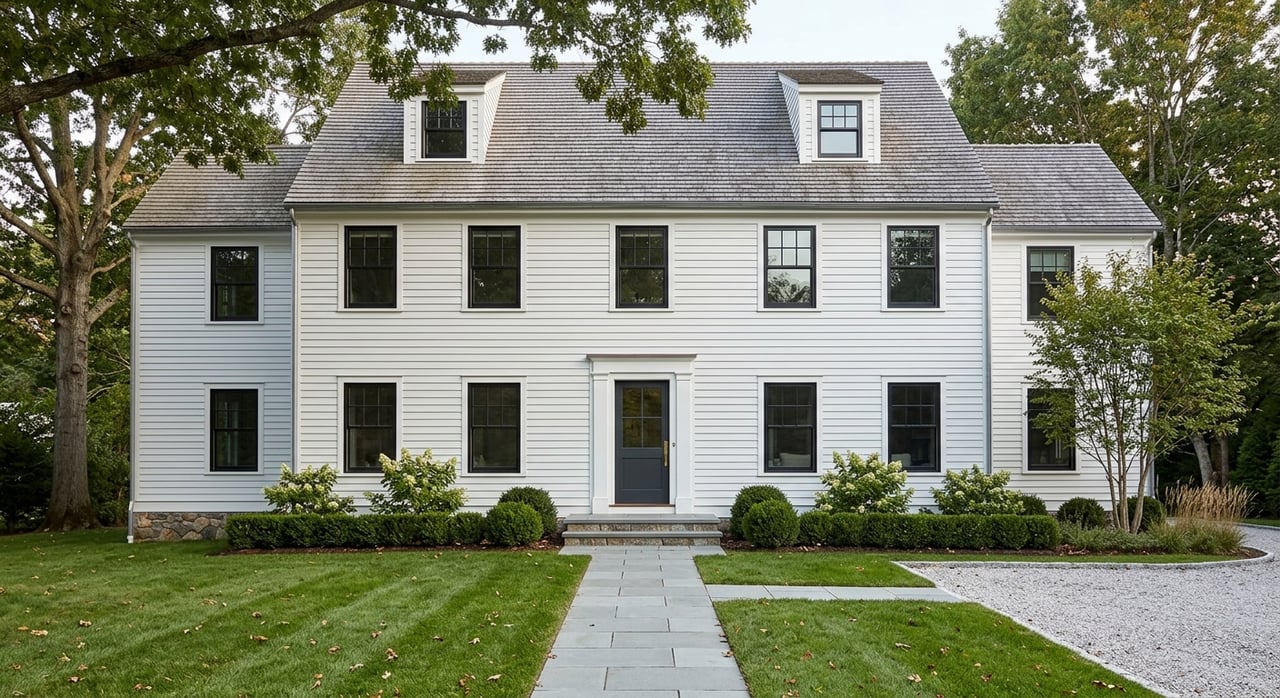
Purchase has a distinct estate-home identity within Harrison. Local planning documents describe Purchase Street as lined with large-plot single-family homes and country clubs, and the area’s history includes large country homes and developed estates.
That backdrop still matters because buyers are evaluating more than the house itself. In Purchase, they are also buying into privacy, grounds, setting, and the way the property lives day to day.
At the same time, you are selling into a competitive Westchester market where expectations are high. OneKey MLS reported a May 2026 median sales price of $1.2 million for Westchester single-family homes, up 20.1% from May 2025, while the county’s December 2025 rolling 12-month median was $990,000, with homes averaging 40 days on market and sellers receiving 103.2% of original list price.
Those numbers are strong, but they do not mean every property sells effortlessly. With the 30-year fixed-rate mortgage averaging 6.48% as of June 4, 2026, buyers are still selective about price, condition, and presentation.
The first showing usually happens online. According to 2025 buyer and seller data summarized in 2026, 52% of buyers found the home they purchased online, and 81% said listing photos were the most useful feature in their search.
That means your listing has to create immediate confidence. If the home looks dark, cluttered, dated, or unclear in photos, many buyers will move on before they ever visit in person.
In the upper-bracket market, buyers also tend to compare homes quickly and carefully. They are not only asking whether the property is beautiful. They are asking whether it feels intentional, functional, and worth the asking price.
For many Purchase buyers, the appeal is space and privacy without the burden of a major project. NAR’s 2025 data show that 42% of buyers considering new construction wanted to avoid renovations or issues with plumbing or electricity, while buyers choosing existing homes often pointed to better value, better price, and more charm and character.
For a Purchase estate, the strongest positioning usually centers on experience. Buyers are not just paying for square footage. They are paying for light, flow, privacy, usable outdoor areas, and the sense that the property will support the way they want to live.
That is why a long feature list is not enough. You need the home to tell a clear story from the first photo through the final showing.
Ask yourself whether a buyer can quickly understand these points:
When those answers are obvious, buyers tend to engage more seriously. When they are unclear, even a beautiful estate can lose momentum.
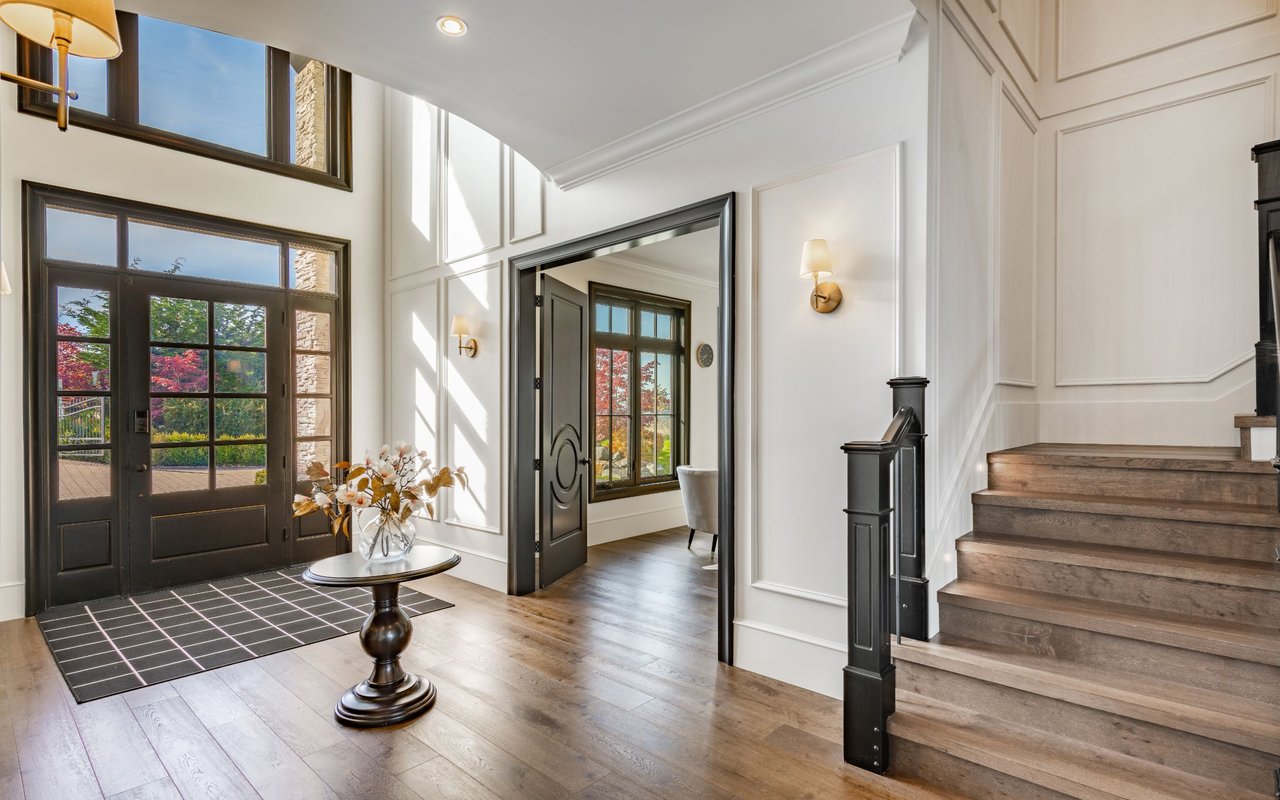
If you are deciding where to invest time before listing, start with the rooms buyers notice first. NAR’s 2025 Profile of Home Staging found that the most commonly staged spaces were the living room, primary bedroom, dining room, and kitchen.
Those rooms shape the emotional first impression of the home. They also do the most work in photos, video, and private showings.
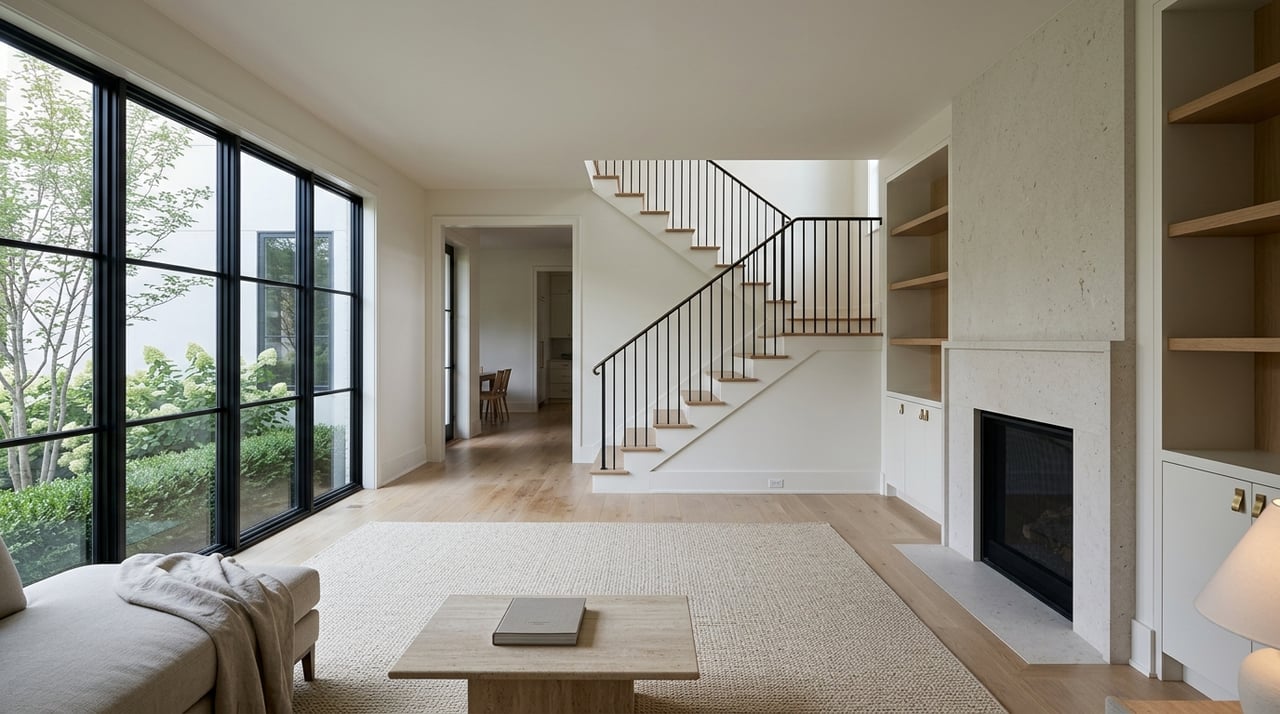
Your living room should show scale, comfort, and function. In a larger home, this matters even more because buyers need help understanding how a big room is meant to be used.
Clean furniture placement, balanced lighting, and a clear focal point can make the room feel inviting rather than oversized. The goal is to help buyers picture real life there, not just admire the dimensions.
The primary bedroom should feel calm and simple. Buyers respond well when the space reads as restful, bright, and easy to furnish.
If the room is large, staging should define the sleeping area clearly and avoid leaving the space feeling empty. Good proportions matter as much as luxury details.
A dining room should feel relevant, not formal for the sake of being formal. Today’s buyers often respond best when a dining room feels connected to the home’s overall flow and lifestyle.
That can mean keeping the setup clean and current so buyers see flexibility. In an estate home, this room often helps reinforce scale and entertaining potential.
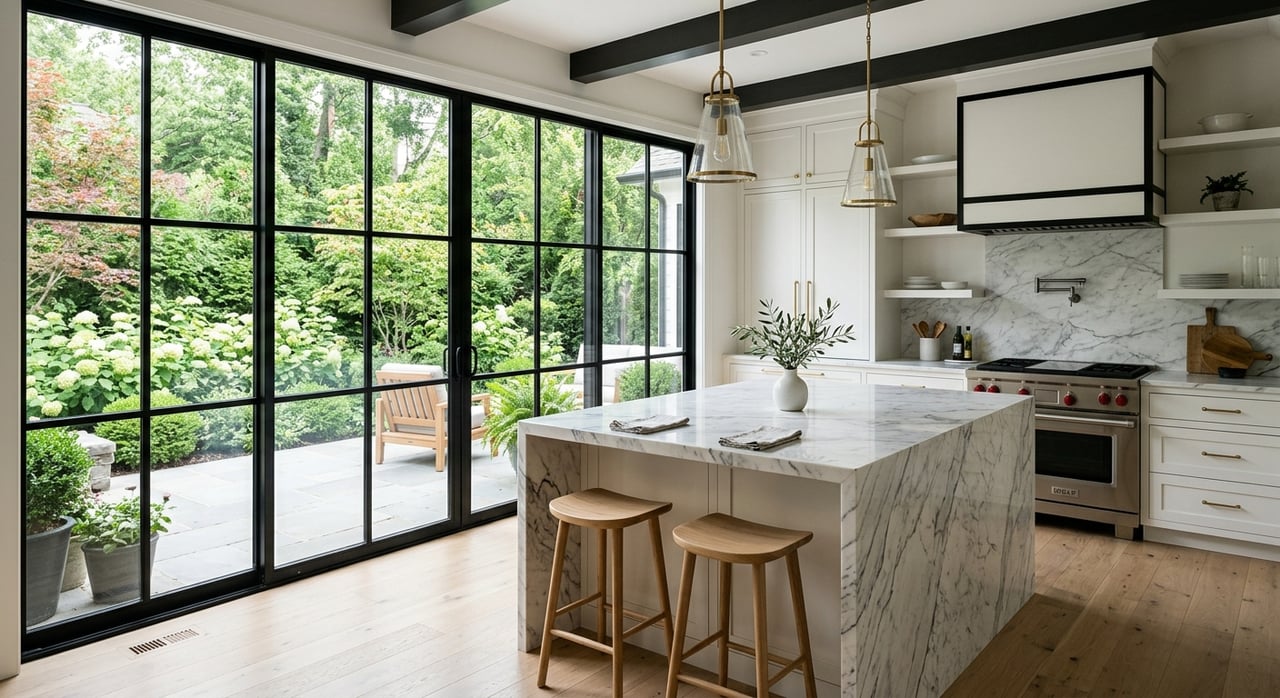
The kitchen remains one of the most important spaces in any listing. Buyers want it to feel functional, bright, and maintained.
You do not always need a full renovation to make a kitchen market-ready. In many cases, editing surfaces, improving lighting, addressing dated details, and presenting the space cleanly can make a meaningful difference.
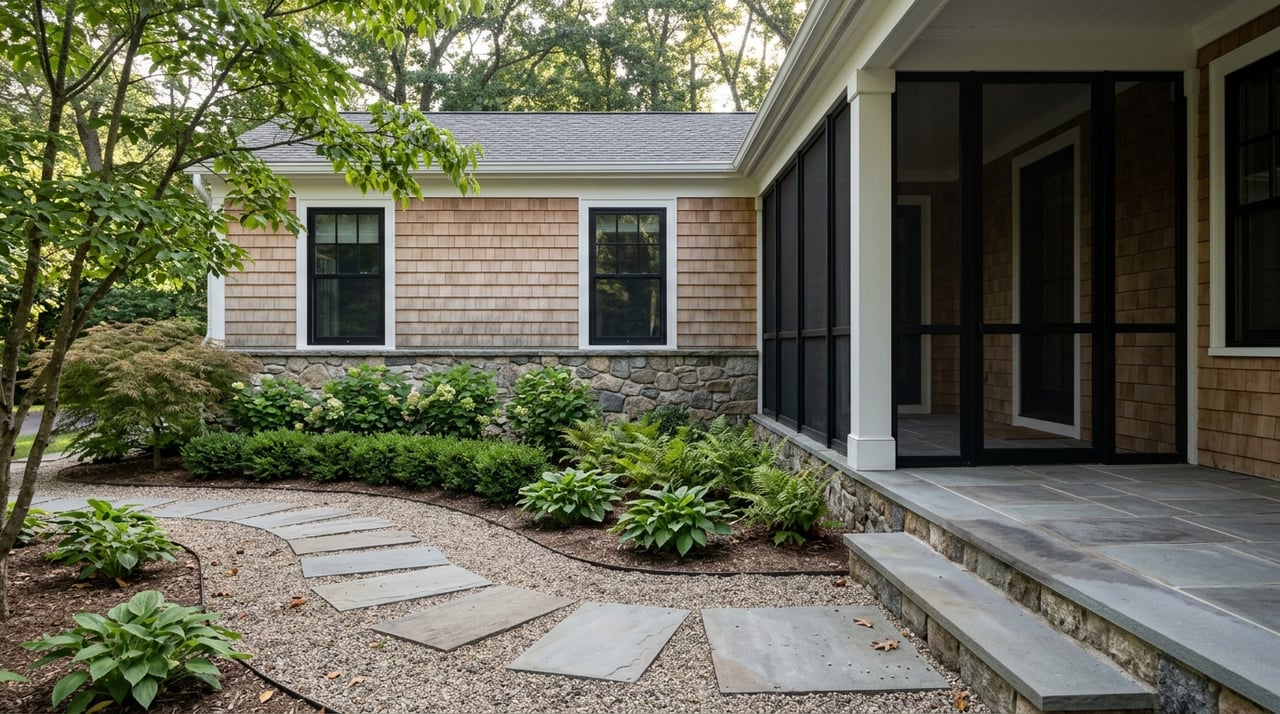
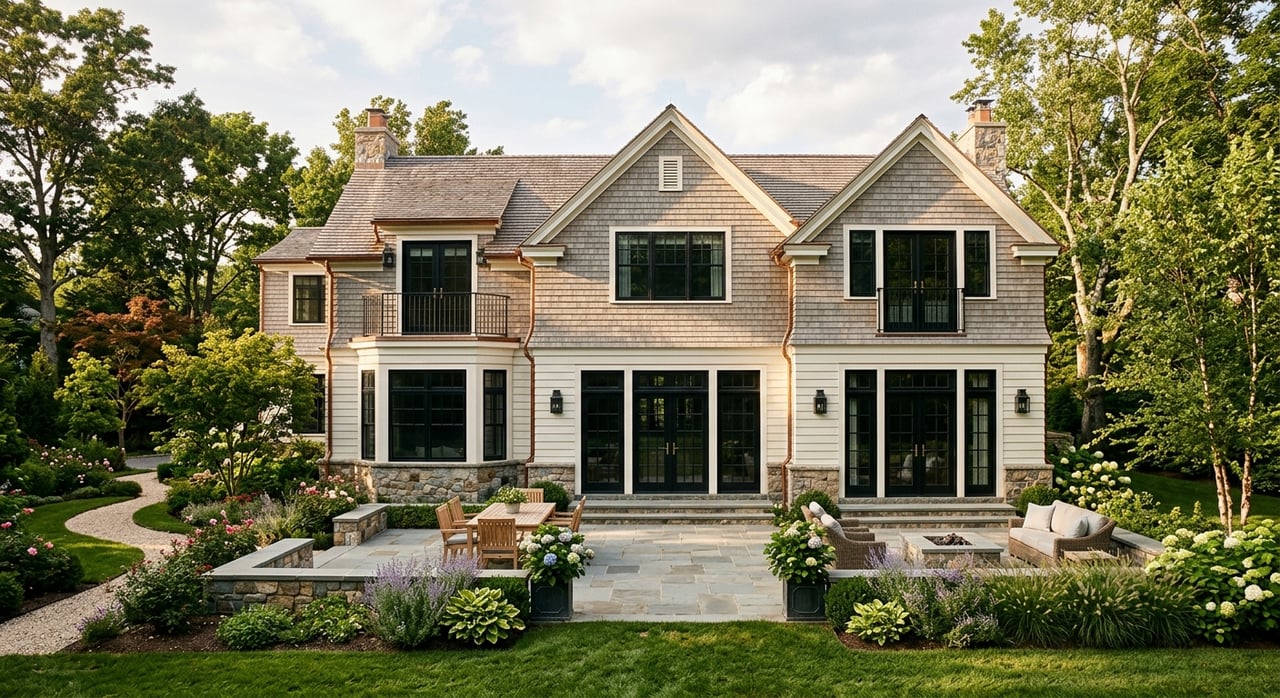
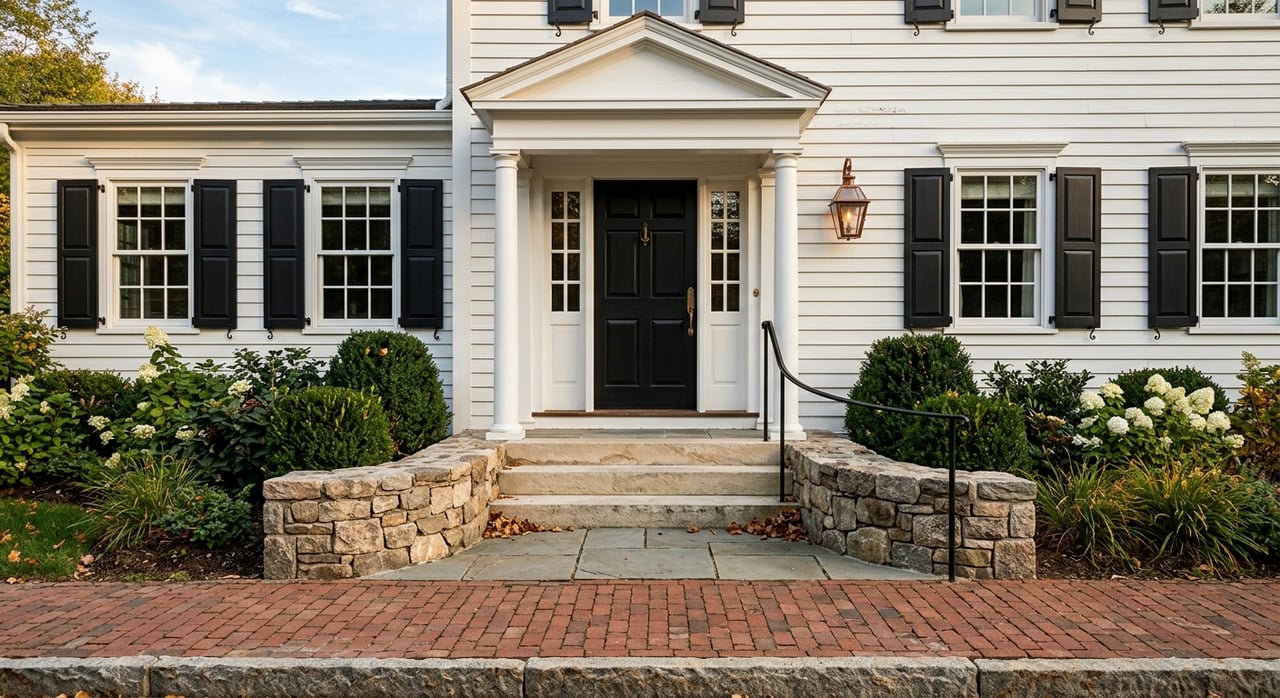
In Purchase, the grounds are part of the value story. Buyers are often evaluating terraces, lawns, pools, gardens, and outdoor seating areas as part of the total property experience.
NAR reporting also points to growing interest in functional outdoor living spaces. That makes exterior presentation more than a finishing touch. It is central to how an estate home competes.
Your outdoor areas should look purposeful and easy to enjoy. Buyers should be able to understand where they would dine, relax, entertain, or spend quiet time.
Focus on features that support usability and visual clarity:
The goal is not to make the grounds look elaborate. The goal is to make them feel inviting, intentional, and aligned with the home.
A beautiful estate can still raise concerns if buyers are unsure about maintenance. In fact, buyer data show strong interest in practical features like heating and cooling costs, along with windows, doors, and siding.
For a Purchase seller, that means condition should be part of the marketing conversation. Buyers want confidence that the home’s major systems and core components have been cared for.
Where appropriate, your listing strategy should account for details such as:
These points may not be the headline, but they can help support value. They also reduce the chance that buyers assume a beautiful home will come with expensive hidden work.
One of the most common seller questions is whether to renovate before listing. In many cases, the answer is no.
The data suggest that buyers want to avoid major renovation issues, but that does not mean every older kitchen or bath needs a full overhaul. Existing homes still appeal because of character, value, and setting.
For many Purchase estates, targeted updates are more effective than a large pre-sale renovation. The smarter path is often to improve presentation, address deferred maintenance, and update the elements that most affect buyer confidence.
Before committing to a major project, consider whether these steps would deliver a better return:
This approach supports the home’s value without over-improving for the market.
In a market where Westchester sellers have recently achieved 103.2% of original list price on average, it can be tempting to assume a strong number will carry the listing. But presentation still shapes whether buyers see that price as justified.
If a Purchase estate feels too dark, too personalized, cluttered, or difficult to maintain, buyers may hesitate even if the property is objectively special. In a mid-6% rate environment, hesitation matters.
That is why pricing and marketing cannot be separated. A strong strategy aligns the asking price with the home’s condition, visuals, positioning, and likely buyer expectations.
Because buyers begin online, the launch matters a great deal. The most effective marketing plan is visual first, then informative.
According to the research, photos, physical staging, videos, and virtual tours all play an important role. For a Purchase estate, that means the listing package should help buyers self-qualify early and understand the property before they step inside.
Your listing should make these spaces and features easy to understand:
This is where strategic representation matters. Strong marketing is not about adding more content. It is about showing the right content in the right order so buyers immediately grasp the home’s value.
The strongest Purchase listings feel complete from the start. They present the house, the grounds, and the lifestyle as one cohesive experience.
That usually means less clutter, more clarity, and a sharper focus on what today’s buyers actually care about: light, flow, comfort, outdoor living, and visible maintenance. When those elements come together, an estate feels easier to value and easier to fall in love with.
If you are preparing to sell in Purchase, strategic positioning can have a real impact on both buyer response and final outcome. For tailored guidance on pricing, presentation, and marketing execution, schedule a free consultation with The E & F Team - Main Site.
Stay up to date on the latest real estate trends.
Whether you’re buying, selling, investing, or simply exploring the market, having a trusted local team matters. The E&F Team provides strategic guidance and market expertise to support you every step of the way. Contact us to learn more about our services, request a home valuation, or gain insight into today’s market.
The E & F Team
Looking to buy, sell or learn more about the market? Reach out today to start a conversation.
Jessica Feuerstein
(301) 257-8624
[email protected]
Elina Edelman
(917) 364-6151
[email protected]